
Food Processing Manufacturer 2026 new The food industry is constantly evolving as consumers demand products that are safe, convenient, nutritious, and consistently delicious. From ready-to-eat meals and frozen foods to healthy snacks and specialty products, businesses are expected to deliver high-quality food while responding quickly to changing market trends.
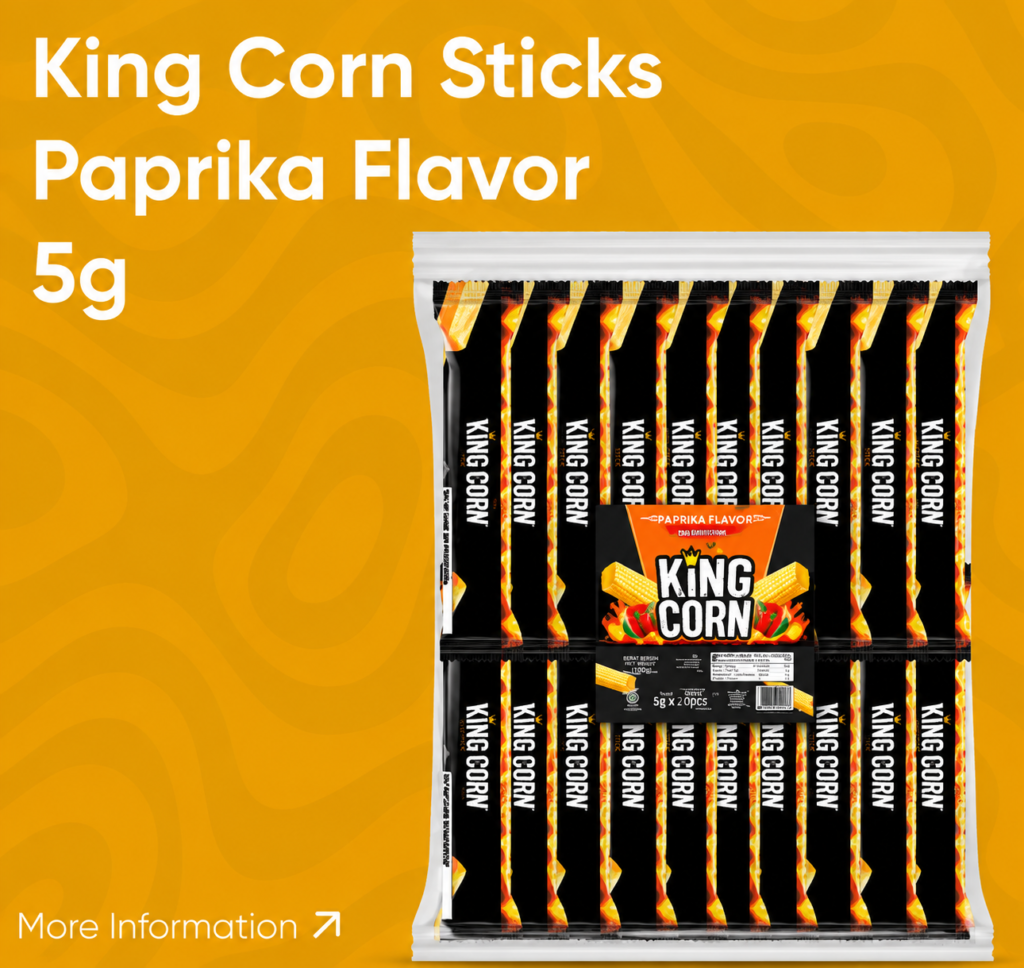
However, producing food at a commercial scale requires advanced processing technology, strict quality control systems, food safety compliance, and experienced production teams. Building these capabilities internally often requires a significant financial investment, making expansion difficult for startups and growing food brands.
Because of these challenges, many companies choose to work with a professional food processing manufacturer. By outsourcing food processing to an experienced partner, businesses can focus on product innovation, branding, and market expansion while production is managed by specialists. Consequently, they can launch products faster, maintain consistent quality, and reduce operational complexity.
What Is a Food Processing Manufacturer?
A food processing manufacturer is a company that transforms raw ingredients into finished food products using specialized processing equipment and standardized manufacturing procedures. Depending on the client’s requirements, manufacturers may produce products based on existing recipes or assist with developing entirely new formulations.
In addition to food processing, many manufacturers provide services such as research and development, ingredient sourcing, packaging design, labeling support, quality assurance, regulatory compliance, warehousing, and logistics.
As a result, businesses receive a complete manufacturing solution that supports every stage of product development and commercialization.
Why Businesses Choose a Food Processing Manufacturer
Partnering with an experienced manufacturer provides several strategic advantages that help businesses remain competitive in today’s food industry.
Lower Production Costs
Building a food processing facility requires major investments in production equipment, processing lines, packaging systems, storage facilities, and quality laboratories.
By working with a food processing manufacturer, businesses avoid these substantial capital expenditures. Therefore, more financial resources can be invested in product development, branding, marketing campaigns, and expanding distribution channels.
Consistent Product Quality
Consumers expect food products to maintain the same taste, texture, appearance, and freshness every time they make a purchase.
Professional manufacturers implement standardized operating procedures alongside comprehensive quality assurance systems. Furthermore, food safety regulations are strictly followed throughout every stage of processing.
As a result, product consistency is maintained while customer confidence continues to grow.
Faster Time to Market
Developing internal processing capabilities often requires months of preparation before commercial production can begin.
Fortunately, an experienced food processing manufacturer already operates certified facilities equipped with advanced processing technology and skilled technical personnel. Consequently, businesses can bring new products to market much faster.
This allows brands to respond quickly to consumer trends while gaining a competitive advantage.
Flexible Production Capacity
Production demand often changes because of seasonal promotions, retail growth, or product launches.
Since manufacturing partners offer scalable production capabilities, businesses can increase or reduce manufacturing volumes without investing in additional equipment or factory space.
This flexibility supports long-term business growth while minimizing operational risks.
How Food Processing Manufacturing Works
The manufacturing process usually begins with a consultation to understand the client’s product concept, target market, and production objectives.
Next, food specialists develop or optimize formulations before prototype samples are prepared for testing. After receiving client approval, commercial production begins using standardized food processing procedures and modern manufacturing equipment.
Throughout production, rigorous quality inspections verify ingredient quality, product consistency, packaging integrity, and compliance with food safety regulations.
Finally, finished products are packaged, labeled, and prepared for distribution according to the agreed production schedule.
Because each stage follows documented quality procedures, manufacturing efficiency is improved while production errors are significantly reduced.
Choosing the Right Food Processing Manufacturer
Selecting the right manufacturing partner is one of the most important decisions for any food business. Before making a final decision, businesses should carefully evaluate several essential factors:
- Proven experience in food processing and manufacturing.
- Modern production facilities and advanced processing technology.
- Certifications such as GMP, HACCP, ISO 22000, and Halal certification.
- Strong research and development capabilities.
- Flexible production capacity and minimum order quantities.
- Reliable quality assurance systems.
- Transparent communication and project management.
- Protection of confidential recipes and proprietary product information.
Additionally, manufacturers with expertise across multiple food categories can provide valuable support for future product innovation and business expansion.
Who Can Benefit from a Food Processing Manufacturer?
Professional food processing services are suitable for a wide variety of businesses, including:
- Food startups introducing innovative products.
- Small and medium-sized enterprises increasing production capacity.
- Retailers developing private-label food brands.
- Distributors launching exclusive food products.
- Established companies expanding into domestic and international markets.
By outsourcing food processing, businesses gain more time to focus on strengthening their brand while experienced professionals handle production operations.
Conclusion
Partnering with a food processing manufacturer is a practical and cost-effective strategy for businesses seeking to produce premium-quality food products without investing in expensive manufacturing infrastructure. Besides reducing operational costs, professional manufacturing improves product consistency, accelerates time to market, supports flexible production capacity, and provides access to specialized technical expertise.
As competition in the food industry continues to increase, selecting the right manufacturing partner can help businesses deliver exceptional products, strengthen customer trust, and achieve sustainable long-term growth.
Call to Action
Ready to bring your food product ideas to life with a trusted manufacturing partner? Visit https://supercorn.id/ today to discover professional food manufacturing solutions that help you produce high-quality products, streamline operations, and grow your brand with confidence.